Educating Sommeliers Worldwide.
By Beverage Trade Network
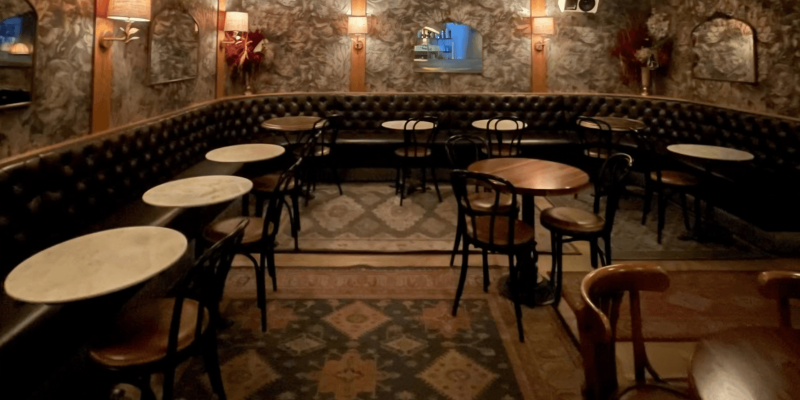
It’s not dramatic enough to make headlines every week, but it’s visible to anyone running a floor, managing a wine list, or watching covers night after night. The room still fills—but not in the same way. The patterns have changed. The predictability is gone. And perhaps most importantly, the assumption that traffic will always be there is no longer something operators can rely on.
Ask around—from neighborhood restaurants to major urban dining rooms—and the answer is consistent. Traffic is softer. Lunch has thinned. Midweek feels slower. Even when weekends hold, they no longer compensate in the way they once did. What’s emerging is not a collapse in demand, but a recalibration of how, when, and why consumers choose to go out.
This is where the conversation often starts—and often stops. Footfall is down. But that, in many ways, is only the surface-level observation. The deeper shift is in consumer behavior.
Dining out in the U.S. is becoming less habitual and more intentional. Guests are still spending, but they are choosing their moments more carefully. What was once routine—weekday lunches, casual drinks, spontaneous dinners—has increasingly become occasional. A night out is now more likely to be planned, justified, and expected to deliver something meaningful in return.
That change alone has significant implications for how restaurants and bars operate. For decades, the industry has been built on frequency. High traffic, repeat visits, and predictable service patterns formed the foundation of revenue models. When that frequency starts to decline, even slightly, the impact on the business can be disproportionate.
What makes the current moment particularly interesting is that, in many cases, revenue hasn’t fallen at the same pace as traffic. Checks are holding. In some segments, they are even increasing. But they are being supported by fewer visits. This creates a different kind of pressure—one that shifts the focus from volume to performance.
In practical terms, this means that every guest matters more than they did before.
The emphasis is moving toward revenue per guest, per table, and per service. It’s no longer enough to fill seats. The question is how effectively those seats are performing. What are guests ordering? How many courses? Are they having a second drink? Are they returning?
These are not new questions, but they are becoming more central to how operators think about growth.
For sommeliers and beverage directors, this shift is particularly relevant. Wine programs, cocktail lists, and beverage offerings are no longer just about curation—they are about contribution. How does the list support the business? How does it drive spend? How does it enhance the guest experience in a way that justifies the visit?
At the same time, the role of the dining experience itself is evolving. Suppose guests are going out less often; the expectation for what they receive when they do go out increases. The visit needs to feel worthwhile—not necessarily extravagant, but considered. Something that cannot be easily replicated at home.
This is where the idea of “occasion” becomes important.
Dining out is shifting from routine to occasion-driven behavior. That doesn’t mean every meal needs to be a celebration, but it does mean that restaurants and bars need to offer a clearer reason to choose them. The venues that are performing well are those that understand this distinction. They are not simply open—they are purposeful.
That purpose can take many forms. It might be a well-defined concept, a strong sense of identity, or a consistent experience that guests trust. It might be a beverage program that feels distinctive, or a service style that creates connection. What matters is that the guest feels there is a reason to be there, beyond convenience.
Another notable shift is in how operators think about marketing and communication. In a lower-footfall environment, relying on location and visibility alone is no longer sufficient. Direct relationships with guests are becoming more valuable. Restaurants are building databases, communicating more intentionally, and finding ways to bring guests back rather than waiting for them to return on their own.
This is, in many ways, a move toward a more proactive model of hospitality—one that borrows from retail, from brand-building, and from direct-to-consumer strategies.
At the operational level, this also places more importance on the team. In a high-footfall environment, service can afford to be reactive. Orders come in, the room carries momentum, and the system sustains itself. In a lower-footfall environment, service becomes more active. The team plays a more direct role in shaping the outcome of each table—through recommendations, engagement, and attention.
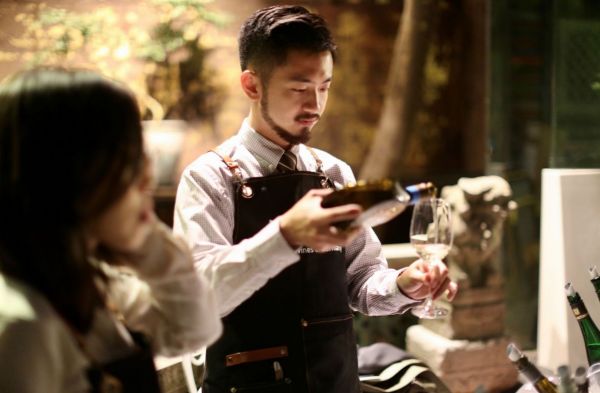
For sommeliers, this is where the role becomes more commercially significant. Suggesting the right wine, guiding the guest, and building confidence in the purchase all contribute directly to the performance of the business. The difference between one glass and two, between a safe choice and a more considered recommendation, becomes meaningful.
What is emerging, then, is not simply a challenge but a redefinition of the model.
The U.S. restaurant industry is moving away from a system that depends primarily on volume, toward one that rewards clarity, execution, and intentionality. Traffic may be less predictable, but the opportunity remains—if operators are willing to adapt.
The danger lies in waiting for patterns to return to what they once were. There is little indication that consumer behavior will revert entirely. Hybrid work, shifting lifestyles, and changing spending priorities are likely to remain part of the landscape.
The opportunity, on the other hand, lies in recognizing that a business does not need to be full at all times to be successful. It needs to be effective. It needs to deliver value—both for the guest and for itself.
In that sense, the quieter room is not just a sign of pressure. It is also a signal.
A signal that the industry is entering a phase where growth is driven less by how many people walk through the door, and more by what happens once they do.
And for those willing to rethink the model, that may prove to be a more sustainable way forward.
Also Read:
The Top 5 Best Performing Business Models for Wine Bars
How Top Sommeliers Boost Beverage Sales And Enhance Guest Experiences
The Three Most Effective Methods of Wine List Organization to Enhance Sales